Asphalt Milling Teeth: The Cut Tells You Everything
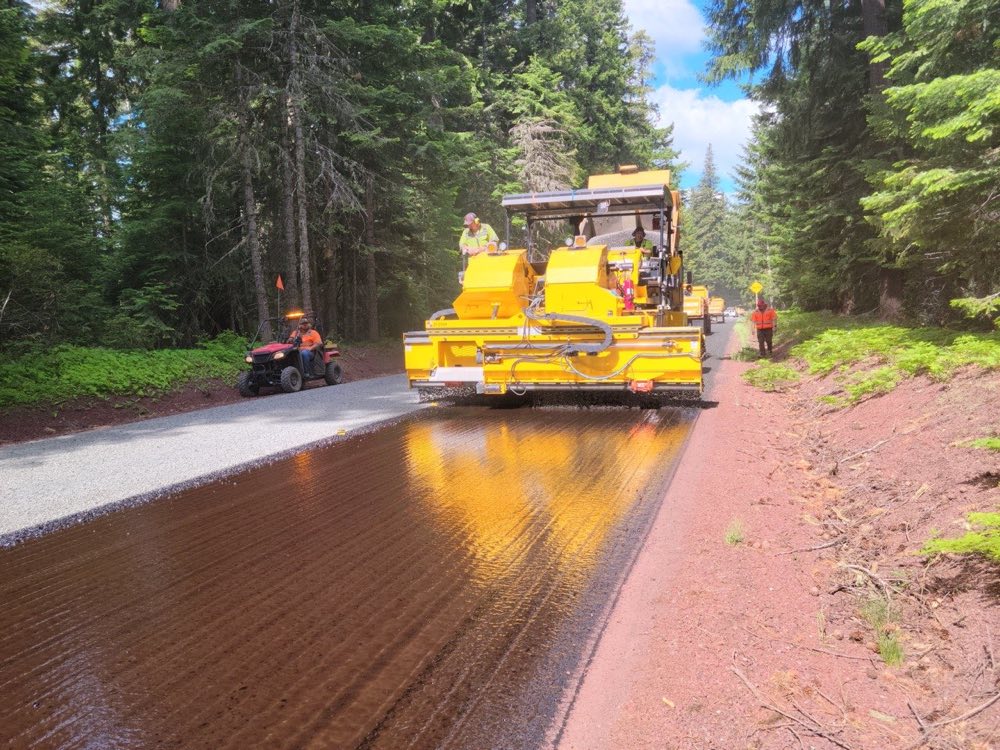
You don’t have to stop the machine and crawl under the drum to know the state of your teeth. The surface unrolling behind the cold planer is already telling you — you just have to read it. A clean, even, uniformly textured mill means the picks are sharp, present, and turning. Ridges, tearing, a machine that’s suddenly working for every foot: those are your asphalt milling teeth talking, and they’re rarely saying anything good. Learning to read the cut turns the milled surface into a live gauge of the most expensive consumable on the job, and it usually flags a problem a pass or two before it turns into a re-do.
Read the cut: symptom to cause
Most milling problems leave a signature on the surface, and each one points at the teeth:
- Ridges, streaks, or a corrugated finish. This is the classic tell of missing, broken, or badly worn picks in the pattern — or picks that have stopped rotating and worn flat. Every gap or flat tooth leaves a high line the rest of the drum can’t level, and it shows up as a rib running with the machine.
- Rough, torn texture when you wanted it cleaner. That’s usually dull picks tearing the asphalt instead of slicing it. The tips have lost their point and are dragging. Sometimes it’s the wrong tip geometry for the material or the texture you’re after, but nine times out of ten it’s just wear.
- Slow going and a thirstier machine. When the planer starts bogging and burning more diesel for the same depth, worn picks are making the drum fight for every pass. Dull teeth cost you production and fuel long before anyone calls them “worn out.”
- One side rougher than the other. That’s uneven wear across the drum — some picks or holders further gone than the rest. It’s a pattern problem, not a single bad tooth, and it won’t fix itself.
- Sparks and tips vanishing fast. That’s the material, not just the teeth: you’re into concrete, rebar, or hard aggregate that the picks aren’t built for.
None of these need a diagnostic computer. Walk the mill behind the machine and the surface hands you the report. I once chased a rib running down the middle of a lane for half a shift, blaming the depth control and the operator, before I actually looked at the drum: two adjacent picks in the center run had gone flat — stopped rotating — and every pass was leaving the same high line in the same place. Five minutes of pick changes fixed what an hour of arguing about settings hadn’t, and the ridge had been telling me exactly where to look the whole time.
Match the teeth to the material
That last symptom — sparks and disappearing carbide — points at the decision people get wrong most often: running one kind of tooth through everything. Asphalt is comparatively forgiving. Standard conical, point-attack picks cut it well and self-sharpen as they rotate, so a good set lasts and leaves a clean texture. Concrete, reinforced concrete, and very abrasive aggregate are a different world — far harder on the carbide, and they’ll chip tips and burn picks fast if you feed them at asphalt pace.
So I keep a fresh set of asphalt milling teeth matched to what I’m actually cutting, and I don’t pretend the same picks and the same feed rate will handle a concrete section the way they handle a wearing course. When the job has both, that means the right tip for the material and a slower pace through the hard stuff — and accepting that the concrete will eat teeth faster no matter what. Fighting that with worn or under-spec picks is how you turn a milling job into a re-teething job halfway through.
It’s the whole pattern, not one tooth
The thing to hold onto is that texture and grade come from the whole pattern of picks, not any single one. A drum is a chorus; one tooth out of tune shows. That’s why a couple of worn or missing picks — or a short run that quit rotating and went flat — can ruin an otherwise-good cut, and why the fix is almost always to even up the pattern rather than swap the one obvious offender. Replace the worn and missing picks together, keep the wear even across the drum, and while you’re there check the holders and wear plates, because a worn holder is what stops a pick rotating and starts the flat that leaves the ridge.
Read the surface, match the teeth to the material, and keep the whole pattern even, and the milled result stops being a surprise. The cut behind the machine is the report card on the picks in front of it — and once you’re reading it, you replace teeth on the evidence of the surface instead of finding out at the end of a bad pass.